


|


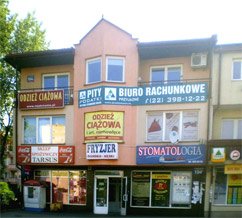


20% Rabatu - przez 3 miesiące za polecenie nas innemu klientowi.
Każdy polecający otrzyma 20% rabat liczony od wartości podpisanego kontraktu z nowym klientem
GRATIS - Założenie jednoosobowej Dzialalności Gospodarczej dla klientów, którzy podpiszą z nami umowę o obsługę księgową !!!


The Cowboy and the Hidden Ripple: How Saguaro Clusters Shape Value
In the vast silence of the Sonoran Desert, where sun scorches the earth and water is scarce, survival depends not on spectacle but on subtle endurance. The cowboy, more than a symbol of rugged individualism, represents resilience—enduring harsh conditions, reading subtle land cues, and recognizing long-term abundance beneath apparent barrenness. This quiet attentiveness mirrors the deeper truth about saguaro cactus clusters: their true value emerges not from immediate visibility, but from patient observation and understanding of enduring natural systems.
The Cowboy as a Metaphor for Hidden Value
Like a seasoned cowboy spotting a dormant saguaro cluster among scrub and stone, true value often lies hidden beneath the surface, revealed only through perseverance and insight. The 54-pound gold haul from the California Gold Rush exemplifies this principle: concentrated, high-yield deposits formed over millennia, not stumbled upon by chance, but discovered through sustained effort and contextual awareness. Similarly, saguaro clusters—some taking over 200 years to mature—form slowly, yet their presence amplifies ecological and cultural richness far beyond their material yield.
| Attribute | Natural Cluster | Human Discovery |
|---|---|---|
| Formation Time | 200+ years | Decades of desert adaptation |
| Material Yield | High-density clusters rich in fruit and shade | Concentrated deposits of gold and cultural meaning |
| Protective Role | Supports soil, microclimate, biodiversity | Shelter, sustenance, survival for humans and wildlife |
The cowboy’s wisdom—reading wind, soil, and plant patterns—parallels the knowledge needed to recognize saguaro clusters as living assets. Just as gold nuggets were not found by random luck but through sustained scouting, the full value of these clusters reveals itself only when observed within their ecological context. Neckerchiefs shielding cowboys from extreme UV index 11+ conditions reflect a deeper principle: protecting fragile, slow-growing systems preserves long-term resilience. In desert cultures, saguaro clusters are not mere resources but vital nodes in a network of survival and identity.
The California Gold Rush: A Case of Unseen Potential
The 54-pound gold discovery in the American West stands as a testament to concentrated value forged over time—much like saguaro clusters emerging through patient desert growth. This haul, while staggering, echoes the slow accumulation found in mature ecosystems where clusters thrive, protected by environmental stability and human stewardship. Historical accounts highlight how gold supported settlement, identity, and economy—hidden economic currents beneath visible surface wealth.
„Gold was not merely found; it was uncovered by those who understood the land’s rhythms and endured its trials.”
This sentiment aligns with the cowboy’s quiet respect for the desert—honoring slow-growing life not as obstacle, but as cornerstone. Adobe structures, some standing over centuries, exemplify durable value built through alignment of material and environmental conditions. Similarly, saguaro clusters endure minimal upkeep yet generate profound long-term benefits: fruit for food, shade for shelter, and cultural continuity for desert communities.
Saguaro Clusters: Natural Architects of Sustained Value
Clustered saguaro cacti act as ecological keystones. Their dense growth traps moisture, reduces soil erosion, and fosters biodiversity—creating microclimates that buffer extremes. This resilience mirrors the cowboy’s ability to thrive in adversity through foresight and respect for natural law. Their seasonal fruit provides critical nourishment, just as gold sustained human settlement and identity, embedding hidden economic and social worth deep within desert life.
- Saguaro clusters amplify ecological interdependence, supporting insects, birds, and mammals.
- Their shade reduces ground temperatures by up to 15°C, preserving fragile soil ecosystems.
- Harvested responsibly, fruits and water represent sustainable resources for generations.
Lessons for Modern Value Creation
Modern value creation benefits from emulating the cowboy’s deep contextual awareness and sustainable respect. Recognizing hidden clusters—whether in natural systems or economic assets—requires long-term vision, patience, and understanding of environmental rhythms. The cowboy’s role was not just extractive but stewardship-oriented; similarly, leveraging saguaro clusters’ hidden value means nurturing slow-growing systems rather than exploiting them recklessly.
- Invest in long-term observation to uncover latent potential.
- Protect slow-growing ecosystems as strategic assets.
- Design systems that reflect interdependence, not short-term gain.
Beyond Le Cowboy: The Hidden Ripples of Wealth
The cowboy’s story transcends individual triumph. It embodies interconnected systems—gold enabling settlement, clusters enabling survival—where value multiplies across time through care and continuity. True wealth often lies not in immediate discovery, but in nurturing resilient foundations beneath apparent barrenness. Understanding this ripple effect invites mindful stewardship—valuing the unseen as much as the visible.
In the quiet desert, where saguaro clusters grow unseen yet shape entire ecosystems, so too does enduring value emerge from patience, context, and respect. To recognize it is to honor the hidden ripples beneath the surface.
Galeria
