


|


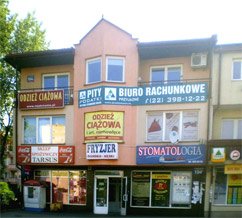


20% Rabatu - przez 3 miesiące za polecenie nas innemu klientowi.
Każdy polecający otrzyma 20% rabat liczony od wartości podpisanego kontraktu z nowym klientem
GRATIS - Założenie jednoosobowej Dzialalności Gospodarczej dla klientów, którzy podpiszą z nami umowę o obsługę księgową !!!


The Cowboy: A Symbol of Endurance Beyond the Six-Shooter
Endurance as the Core of the Cowboy’s Legacy
The cowboy’s enduring image transcends the myth of the swift-draw silhouette; he is, above all, a living testament to sustained endurance—both physical and mental. While popular culture emphasizes speed and confrontation, true cowboy resilience stemmed from prolonged stamina, honed through grueling labor across unforgiving landscapes. From navigating sudden storms on open plains to enduring weeks of backbreaking work, the cowboy’s strength was measured not in moments, but in days.
Historically, cowboys operated in environments where split-second reflexes were crucial, yet these alone were insufficient without consistent physical endurance. Their survival depended on mastering tools, terrain, and routine—each practiced motion a reflection of deep, ingrained resilience. The cowboy was not merely a fighter but a craftsman of survival, built through repetition and relentless effort.
Tool Mastery: Precision in Design and Function
One of the cowboy’s most understated yet vital tools was the leather holster, engineered for both safety and speed. Designed at a 45-degree angle, the holster enabled rapid access without compromising security—a balance born of battlefield necessity. Leather’s combination of durability and flexibility proved ideal against prairie dust, rope friction, and repeated use. More than a fashion choice, the holster exemplified muscle memory refined through thousands of drills, not showmanship.
This ergonomic precision underscores a deeper truth: effective tools are extensions of the body and mind. Each holster’s angle, each stitch, served a functional purpose—enhancing response time while protecting hands during long hours of labor. The cowboy’s gear evolved not as ornament, but as functional armor forged by real-world demands.
Protective Gloves: Cotton’s Role in Harsh Labor
Beyond weaponry, protective cotton gloves were essential to the cowboy’s endurance. These gloves shielded hands from rope burns, blisters, and chronic chafing—common injuries during extended work. Lightweight and breathable, the fabric adapted seamlessly to the prairie’s harsh climate, supporting repetitive motion without restricting dexterity.
Cotton’s natural properties made it a logical choice: it wicks moisture, resists irritation, and remains functional despite constant use. This practical adaptation reflects how cowboy identity intertwined with utility—gear evolved not just to survive, but to endure through daily grind. The gloves were silent proof that true resilience includes care for the body’s limits.
Railroad Construction: The Cowboy’s Contribution to Expansion
The cowboy’s endurance extended beyond the range and ranch into the arena of progress. During the transcontinental railroad’s construction, cowboys and cowpokes played a crucial role—enduring extreme heat, isolation, and relentless labor over 1.6 kilometers of track per day. Their stamina mirrored the cowboy’s daily rhythm: coordinated, persistent, and unyielding.
This labor was not incidental—it was foundational. The cowboy was embedded in the American West’s expansion, not just as a cultural icon but as a laborer sustaining the nation’s growth. Their physical and mental endurance powered infrastructure that shaped the frontier’s future.
From Myth to Meaning: Cowboys as Living Symbols
Today, the cowboy endures not as folklore, but as a living symbol of resilience. This legacy persists in modern professions—emergency responders, outdoor workers, and first-responders—who face daily challenges requiring sustained effort and adaptability. The cowboy’s image reminds us that true strength lies not in fleeting confrontation, but in the quiet, persistent work of survival.
As one historian notes: “The cowboy’s endurance was his true weapon—forged in dust, sweat, and silence.” This enduring value speaks to a universal human truth: resilience is not born of myth, but of lived experience.
Conclusion: Endurance as a Timeless Value
The cowboy’s story, far from being a relic, remains a powerful illustration of endurance in action. From the 45-degree holster angle to the cotton glove’s breathability, every detail reflects a life lived at the edge of human capability. This legacy invites us to recognize resilience not in legends, but in the daily grind of those who persist—then and now.
Table: Daily Stamina at Work
| Task | Duration | Challenge | Outcome |
|---|---|---|---|
| Roping and herding livestock | Multiple shifts/day | Physical fatigue, environmental extremes | Sustained focus and muscle endurance |
| Railroad track laying | 1.6 km per day | Heat, isolation, repetitive labor | Coordinated team effort, endurance |
| Long cattle drives | 10–14 hours | Extreme weather, limited rest | Mental resilience, physical stamina |
“The cowboy’s endurance was his true weapon—forged in dust, sweat, and silence.” — Historical Reflection, Western Heritage Journal
Galeria
