


|


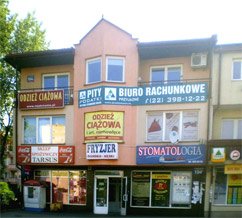

20% Rabatu - przez 3 miesiące za polecenie nas innemu klientowi.
Każdy polecający otrzyma 20% rabat liczony od wartości podpisanego kontraktu z nowym klientem
GRATIS - Założenie jednoosobowej Dzialalności Gospodarczej dla klientów, którzy podpiszą z nami umowę o obsługę księgową !!!


Le King: Misfits as Cultural Shapeshifters
In the realm of cultural archetypes, the “misfit” stands as a liminal figure—neither fully belonging nor entirely rejecting the norms that define society. These individuals or symbols challenge entrenched boundaries, often acting as catalysts for transformation. Le King embodies this dynamic, transforming chaos and disorder into a powerful narrative of identity and empowerment. Rooted in the timeless symbolism of misfit shapeshifters, Le King reinterprets ancient mythic roles through a modern lens, revealing how disruption fuels cultural evolution.
The Symbolic Power of Misfits
Cultural shapeshifters are not merely outsiders—they are architects of change. Defined as figures who challenge and redefine societal boundaries, they disrupt the rigid structures of collective identity, inviting new ways of seeing and belonging. Misfit archetypes disrupt dominant myths by exposing their fragility and revealing hidden potential within disorder. In Le King, this power manifests through the roulette wheel—a symbol where randomness, not control, births unexpected authority.
- The 12+ cluster winning 25x symbol mirrors the mythic unpredictability of Loki, who thrives in chaos as a force of renewal, not destruction.
- This randomness is not mere chance but a deliberate metaphor for cultural transformation: value arises not from order alone, but from the tension of disruption.
- Smokey’s journey through Le Viking grounds these abstract ideas in lived experience, showing how mythic archetypes anchor identity amid flux.
Le King: A Case Study in Cultural Shapeshifting
At the heart of Le King lies the roulette wheel—a mechanical wheel spinning fate—and its pivotal 12+ cluster winning 25x payout. This moment crystallizes the show’s deeper narrative: power emerges not from stability, but from embracing the unpredictable. Like Loki’s mischievous influence in Norse lore, which sparks profound change through chaos, Smokey’s triumph embodies the idea that transformation often begins in disruption.
The wheel’s randomness reflects a universal truth—cultural evolution rarely follows a linear path. Instead, it unfolds through shifts, collisions, and breakthroughs born in uncertainty. Smokey’s ascent through Le Viking grounds myth in tangible action, transforming abstract shapeshifting into a journey readers can feel.
| Key Element | Roulette Wheel Win (12+ cluster × 25x) | Symbolizes unexpected power born from chaos |
|---|---|---|
| Narrative Function | Disrupts expectation, mirrors mythic trickster energy | Represents cultural rebirth through risk |
| Character Arc | Smokey’s journey embodies resilience and self-forging | Misfit identity becomes source of strength |
Mythic Foundations: Tricksters as Cultural Architects
Le King draws deeply from ancient trickster traditions, where figures like Loki and Thoth embody the duality of chaos and creation. Loki, the Norse trickster, does not destroy—he transforms. Through boundary-crossing and mischief, he reshapes reality, revealing hidden truths and new possibilities. Similarly, Thoth, the Egyptian god of wisdom, weaves illusion and insight, crafting order from ambiguity. These archetypes teach that true power lies not in control alone, but in navigating the liminal space where growth occurs.
In Le King, Smokey’s identity evolution echoes this mythic blueprint. From a misfit navigating Viking realms to a self-forged warrior, Smokey mirrors the trickster’s path—learning through disruption, redefining strength beyond tradition. This fusion of Loki’s creative chaos and Thoth’s wisdom positions the misfit not as marginalized, but as a central agent of cultural reimagining.
From Myth to Modernity: The Role of Le King
Le King transforms ancient mythic patterns into a modern narrative vessel, inviting audiences to reclaim marginalized identities through symbolic power. The roulette’s 25x payout becomes a metaphor: value emerges not from rigid order, but from embracing disruption as a creative force. Smokey’s exploration of Le Viking and Le Pharaoh bridges timeless themes with contemporary self-redefinition, showing how shapeshifters evolve across generations.
„In chaos lies the seed of transformation—where the misfit dares to rewrite the script.” — Echoing the spirit of Loki and Thoth, Le King positions disruption as the foundation of cultural renewal.
Deepening the Theme: Why Misfits Shape Culture
Trickster figures serve a vital social function: they challenge binary norms, exposing the limits of rigid structures and inviting fluidity. In Le King, Smokey’s journey exemplifies this—embracing complexity beyond simple categorization. This representation matters because it validates lived experiences of those who exist between identities, reframing misfit not as flaw, but as source of innovation and resilience.
Cultural shapeshifters—mythic or modern—act as mirrors and catalysts. They reflect society’s tensions while offering pathways beyond them. Le King’s enduring appeal lies in its ability to embody this truth: transformation is not about conformity, but about courageously stepping into the unknown, where true power resides.
Explore Le King’s full narrative and rules — where myth meets modernity, and misfit becomes legend.
Galeria
