


|


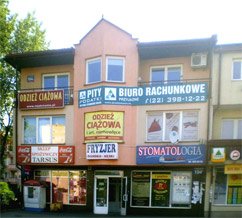


20% Rabatu - przez 3 miesiące za polecenie nas innemu klientowi.
Każdy polecający otrzyma 20% rabat liczony od wartości podpisanego kontraktu z nowym klientem
GRATIS - Założenie jednoosobowej Dzialalności Gospodarczej dla klientów, którzy podpiszą z nami umowę o obsługę księgową !!!


Unlocking the Secrets of Ancient Symbols in Modern Games
Ancient symbols have fascinated humanity for millennia, offering a window into the beliefs, stories, and cultural identities of past civilizations. From the intricate hieroglyphs of Egypt to the sacred runes of Norse tribes, these symbols encapsulate complex meanings that continue to resonate today. In recent decades, the gaming industry has increasingly harnessed this rich tapestry of symbolism, blending history with entertainment to create immersive experiences that educate as much as they thrill.
This article explores how ancient symbols are integrated into modern game design, serving not only as aesthetic elements but also as powerful tools for storytelling, gameplay mechanics, and cultural education. While le—pharaoh!!! exemplifies contemporary use, the principles behind symbolic integration extend far beyond a single title, reflecting a broader trend rooted in the desire to connect players with history through interactive media.
Table of Contents
- 1. The Significance of Ancient Symbols in Modern Gaming
- 2. The Educational Value of Symbols: From History to Gameplay Mechanics
- 3. Decoding Ancient Symbols in Modern Slot Games
- 4. Symbolic Mechanics and Their Impact on Player Strategy
- 5. The Educational Layers of Game Features: Beyond Visibility
- 6. The Role of Modern Technology in Reviving and Interpreting Ancient Symbols
- 7. The Balance Between Entertainment and Education in Symbolic Design
- 8. Non-Obvious Symbolic Elements: Deepening Player Engagement
- 9. Practical Implications for Game Designers and Educators
- 10. Conclusion: Appreciating the Intersection of Ancient Symbols and Modern Gaming
1. The Significance of Ancient Symbols in Modern Gaming
a. Overview of ancient symbols and their historical contexts
Ancient symbols served as visual languages for early civilizations, conveying spiritual beliefs, political power, and social codes. Egyptian hieroglyphs, for example, were not merely decorative but encoded complex stories about gods, kings, and the afterlife. Similarly, Norse runes carried magical and divinatory significance, often inscribed on artifacts to invoke protection or wisdom. These symbols reflected the worldview of their creators and often held sacred or mystical meaning that extended beyond mere decoration.
b. The rise of symbolism in contemporary game design
Modern game designers increasingly borrow these symbols to create immersive worlds that evoke authenticity and depth. By integrating ancient motifs, developers tap into universal archetypes and cultural stories that resonate with players worldwide. This trend is supported by research indicating that symbols evoke emotional responses and enhance narrative engagement, making games more meaningful and memorable.
c. Purpose and scope of exploring symbolism in games like «Le Pharaoh»
While «Le Pharaoh» exemplifies the use of Egyptian symbols within a modern slot game, the broader purpose is to understand how such symbols serve educational, aesthetic, and mechanical roles in gaming. Exploring these elements reveals how designers can responsibly incorporate cultural heritage, fostering awareness and appreciation without superficial or stereotypical portrayals.
2. The Educational Value of Symbols: From History to Gameplay Mechanics
a. How ancient symbols convey cultural stories and meanings
Symbols like the Egyptian ankh or the scarab beetle encapsulate stories of life, death, and rebirth. These icons are not arbitrary; they are carriers of narrative weight, transmitting cultural values and spiritual beliefs through visual cues. When incorporated into games, these symbols can serve as educational tools, prompting players to learn about their origins and significance.
b. Bridging historical symbolism with player engagement
Effective game design weaves historical symbols into gameplay mechanics, making learning seamless. For instance, unlocking a symbol might unlock a story snippet or historical fact, engaging players on an informative level while maintaining entertainment. This approach fosters curiosity and cultural literacy, especially when symbols are presented in contextually relevant ways.
c. Examples of symbols used to enhance narrative and immersion
- Egyptian hieroglyphs used as bonus triggers in slot games, linking gameplay with ancient storytelling
- Runic symbols in Nordic-themed games that activate special features tied to mythological tales
- Mayans and Aztec motifs used to evoke mystery and cultural depth in adventure games
3. Decoding Ancient Symbols in Modern Slot Games
a. Common symbols derived from ancient cultures (e.g., Egyptian hieroglyphs)
In modern slots, symbols like the Eye of Horus, the Ankh, and scarabs are frequently used to evoke Egypt’s mystical allure. These symbols serve dual purposes: aesthetic appeal and functional roles such as triggering bonus rounds or jackpots. Their recognition by players enhances engagement, making gameplay both entertaining and educational.
b. The role of symbols in triggering special features and bonuses
Symbols often act as keys to unlock bonus features. For example, in many Egyptian-themed slots, the appearance of a specific hieroglyph may activate free spins or multipliers. These mechanics mirror the symbolic power attributed to these images historically, translating cultural significance into gameplay mechanics that reward strategic play.
c. Case study: The use of «Golden Riches» and rainbow symbols in «Le Pharaoh»
«Le Pharaoh» employs golden symbols and rainbow motifs to symbolize wealth and luck, drawing inspiration from ancient Egyptian treasures and celestial symbolism. The rainbow, in particular, is often associated with divine promise and mystical pathways, enriching the narrative layer of the game. These symbols not only create visual appeal but also serve as triggers for bonus rounds, illustrating how cultural motifs are seamlessly integrated into game mechanics.
4. Symbolic Mechanics and Their Impact on Player Strategy
a. Understanding symbol activation and game outcomes
Recognizing which symbols are key to triggering bonuses allows players to develop strategies, such as focusing on certain symbols or patterns. For example, in games like «Le Pharaoh», overlapping hieroglyphs or special icons can increase the probability of unlocking major prizes, emphasizing the importance of understanding symbol mechanics for optimal gameplay.
b. How specific symbols influence win potential and game flow
Certain symbols, like multipliers or wilds, are often designed with cultural motifs to enhance their thematic relevance. Gold clovers marked as multipliers from 2x to 20x in «Le Pharaoh» exemplify how symbols can directly influence the size of wins and the pacing of the game, encouraging players to aim for these special icons through strategic play.
c. The significance of multipliers like Gold clovers (2x to 20x) in gameplay
Multipliers serve as a bridge between symbolism and mechanics, often represented by culturally significant icons to evoke luck or prosperity. Their placement and frequency affect player decisions, such as risk-taking or timing, making understanding these symbols crucial for strategic success.
5. The Educational Layers of Game Features: Beyond Visibility
a. Hidden meanings behind visual design choices
Designers often embed subtle cues that hint at deeper cultural stories. For instance, the arrangement of symbols in «Le Pharaoh» might follow historical iconography, with patterns that reflect sacred geometry or mythological narratives, enriching the player’s experience beyond surface visuals.
b. The importance of symbol placement and pattern recognition
Pattern recognition is essential for players aiming to anticipate bonus triggers. Strategic placement of symbols, such as aligning hieroglyphs in specific sequences, can influence game outcomes—mirroring how ancient cultures used symbolic arrangements for rituals or divination.
c. Examples of how «Le Pharaoh» incorporates these concepts
The game’s design subtly guides players to recognize patterns and symbols, encouraging educational discovery. For instance, the careful placement of rainbow symbols and golden icons not only impacts gameplay but also invites players to learn about their cultural meanings, illustrating the fusion of education and entertainment.
6. The Role of Modern Technology in Reviving and Interpreting Ancient Symbols
a. Digital rendering of ancient motifs and their authenticity
Advancements in digital graphics allow for highly detailed and accurate representations of ancient symbols, fostering authenticity. Techniques such as 3D modeling and high-resolution textures enable games to present motifs that are both visually stunning and culturally respectful.
b. Interactive features that educate players about symbolism
Features like clickable symbols that reveal their history or significance transform passive entertainment into educational experiences. For example, clicking on an Egyptian hieroglyph in «Le Pharaoh» might display a brief explanation of its meaning, thus deepening cultural understanding.
c. How game mechanics enhance understanding of symbolism (e.g., maximum win, activation conditions)
Mechanics such as bonus activations tied to specific symbols reinforce their cultural importance. The interplay between design and mechanics ensures players not only enjoy the game but also absorb meaningful cultural lessons, making technology a bridge to historical literacy.
7. The Balance Between Entertainment and Education in Symbolic Design
a. Ensuring symbols serve both aesthetic and functional purposes
Effective design balances visual appeal with gameplay mechanics. Symbols should evoke cultural significance while also functioning as triggers for game features. When done well, this dual purpose enhances player engagement and learning simultaneously.
<h3 style=”font-family: Arial, sans-serif; color: #34495e; font-size:
Galeria
