


|


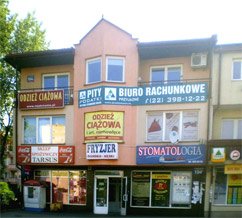


20% Rabatu - przez 3 miesiące za polecenie nas innemu klientowi.
Każdy polecający otrzyma 20% rabat liczony od wartości podpisanego kontraktu z nowym klientem
GRATIS - Założenie jednoosobowej Dzialalności Gospodarczej dla klientów, którzy podpiszą z nami umowę o obsługę księgową !!!


How Ancient Structures Inspire Modern Cascading Designs
1. Introduction to Ancient Structures and Their Influence on Modern Design
Ancient architecture encapsulates centuries of innovation, symbolism, and functionality. From the towering ziggurats of Mesopotamia to the intricate terraces of Machu Picchu, these structures demonstrate fundamental principles that continue to inform contemporary design. Ancient architectural principles often emphasized harmony with natural surroundings, layered aesthetics, and symbolic storytelling, which remain relevant in modern architecture’s quest for aesthetics and purpose.
Studying these historical structures offers valuable insights into enduring design philosophies. By understanding how ancient civilizations balanced form and function, modern architects and artists can create structures that resonate culturally and aesthetically, fostering a deeper connection between past and present.
2. The Concept of Cascading Designs in Architecture and Art
a. Explanation of cascading aesthetics: flow, layers, and visual hierarchy
Cascading designs involve the deliberate layering of elements to create a sense of flow, movement, and hierarchical depth. Visual hierarchy is achieved by arranging components so that the eye naturally moves from the top to the bottom or from the center outward, mimicking natural phenomena like waterfalls or mountain ridges. This aesthetic communicates progression, stability, and complexity, engaging viewers both visually and psychologically.
b. Historical roots and early examples of cascading forms in ancient architecture
Ancient civilizations employed cascading principles in structures such as terraced temples, multi-level ziggurats, and tiered amphitheaters. The ziggurat of Ur, for instance, features successive platforms that ascend in a stepped fashion, symbolizing spiritual elevation. Similarly, Greek theaters were designed with descending tiers to optimize acoustics and sightlines, illustrating early understanding of layered viewing experiences.
c. The psychological and functional appeal of cascading designs
Cascading forms evoke a sense of harmony with natural flows, providing visual comfort and guiding the viewer’s gaze seamlessly through a space. Functionally, they facilitate movement, hierarchy, and focus within complex environments, making spaces more intuitive and engaging. Modern research underscores that layered designs can enhance psychological well-being by mimicking nature’s rhythms and structures.
3. Mythology and Symbolism as Foundations for Structural Inspiration
a. How myths and divine symbolism influence architectural motifs
Mythology has historically shaped architectural motifs, embedding structures with symbolic meanings. For example, the Egyptian pyramids symbolized divine power and the journey to eternal life. In Greek mythology, the gods’ stories inspired grand temples like the Parthenon, which embodied divine grandeur and cosmic order. These narratives influenced not only ornamentation but also structural hierarchies, emphasizing divine authority through layered and monumental forms.
b. Examples of myth-inspired structures in ancient and modern contexts
Ancient structures such as the Ziggurat of Ur and the Temple of Heaven incorporate mythological symbolism through their tiered forms, representing cosmic layers or divine realms. In contemporary design, structures like the Sydney Opera House draw inspiration from natural and mythic themes, embodying flowing, layered shells. The reinterpretation of myth in modern architecture demonstrates the lasting influence of divine storytelling in shaping complex, layered structures.
c. Connecting divine influence to the concept of cascading grandeur
Divine hierarchies often manifest as layered, ascending forms symbolizing spiritual ascent. Cascading grandeur, rooted in divine symbolism, emphasizes layered complexity that signifies power, spirituality, and cosmic order. This connection underscores how mythological themes continue to inspire layered architectural expressions that evoke awe and reverence.
4. From Divine Myths to Modern Cascades: A Conceptual Bridge
a. The myth of gods influencing wars and natural phenomena as metaphors for layered complexity
Ancient myths often depicted gods controlling natural elements and human events, illustrating layered worlds of divine influence. Modern architecture mirrors this layered complexity through cascading forms that symbolize the intricate interplay of natural forces and human ingenuity. For instance, the way storms build in layers or waves crest can be visually echoed in layered facades and structures.
b. Storms at sea as an analogy for dynamic, flowing architectural forms
The turbulent, layered nature of storms and ocean waves inspires dynamic architectural expressions. Structures designed with flowing, layered elements evoke the movement of water and wind, creating a sense of vitality. These designs not only mimic nature but also serve functional purposes, such as optimizing airflow and light diffusion.
c. Zeus as a symbol of power inspiring towering, layered structures
Zeus, the king of gods, symbolizes authority and power, often depicted with lightning and commanding presence. Architecturally, this inspiration manifests in towering, layered edifices that evoke strength and grandeur. Modern skyscrapers and monumental structures draw from this mythic archetype, blending symbolism with technical innovation.
5. Case Study: The Gates of Olympus 1000 as a Modern Cascading Design
a. Description of Gates of Olympus 1000 and its architectural features
The Gates of Olympus 1000 exemplifies contemporary reinterpretation of ancient cascading principles. Its design features multiple layered tiers that ascend in a flowing, organic manner, reminiscent of mythic mountains or divine realms. The structure employs advanced materials that enable complex geometries, creating an appearance of dynamic movement and layered depth.
b. How it exemplifies modern reinterpretation of ancient cascading principles
By integrating layered forms inspired by ancient ziggurats and mythic symbolism, the Gates of Olympus 1000 bridges historical aesthetics with modern technology. Its design emphasizes flow and hierarchy, while utilizing innovative materials like smart composites and sustainable engineering, demonstrating how age-old principles adapt to contemporary needs.
c. The product’s role in inspiring new architectural and artistic paradigms
This structure serves as a catalyst for future architectural exploration, illustrating how ancient ideas of layered symbolism and cascading flow can evolve through technological advancements. It encourages designers to rethink space, form, and symbolism, inspiring a new generation of structures that honor history while pushing creative boundaries. To explore this innovative approach further, see more see more.
6. Non-Obvious Perspectives: Deepening the Understanding of Cascading Inspirations
a. The influence of divine hierarchies and mythological storytelling on structural layering
Divine hierarchies in mythologies often reflect layered worlds—heaven, earth, underworld—each represented by tiered structures. These narratives translate into architectural layering, where each level signifies a different cosmic or spiritual realm, reinforcing the hierarchical significance through physical form.
b. The role of natural phenomena (like storms and waves) in shaping cascading forms
Natural phenomena such as the layering of storm clouds or the cresting of ocean waves inspire dynamic, flowing architectural forms. These forms not only emulate natural beauty but also serve functional roles, such as enhancing aerodynamics or light diffusion, showcasing the synergy between nature and design.
c. Technological advancements enabling the realization of complex cascading architectures
Modern engineering, materials science, and computational design have unlocked possibilities for realizing complex cascading structures. Techniques like parametric modeling and 3D printing allow architects to push boundaries, transforming myth-inspired layered visions into tangible realities.
7. The Artistic and Cultural Impact of Ancient-Inspired Cascading Designs Today
a. How modern buildings and sculptures reflect ancient mythological themes
Contemporary architecture often embeds mythological symbolism within layered, cascading forms. Museums, civic centers, and public sculptures incorporate motifs that evoke divine or natural stories, fostering cultural continuity and storytelling through design.
b. The cultural significance of cascading designs in contemporary public and sacred spaces
Cascading structures in sacred sites symbolize spiritual ascent, while in public spaces, they represent progress, community, and harmony with nature. Such designs resonate culturally, reinforcing shared values and historical narratives.
c. The interplay between storytelling, symbolism, and structural aesthetics
Effective architecture marries form with story—layered, cascading forms serve as visual storytelling devices, conveying myths, power, and cultural identity while maintaining aesthetic harmony. This synergy elevates architecture from mere shelter to a vessel of meaning.
8. Future Directions: Evolving Cascading Designs Inspired by Ancient Structures
a. Innovations in materials and technology to mimic natural and mythological forms
Emerging materials such as bio-composites, shape-memory alloys, and nanostructured surfaces enable architects to craft structures that dynamically adapt or mimic natural forms, pushing the boundaries of traditional cascading designs.
b. Potential for sustainable and dynamic cascading architectures
Integration of renewable energy, smart systems, and adaptive materials paves the way for structures that evolve with environmental conditions, creating sustainable cascading architectures that are both functional and visually inspiring.
c. The ongoing dialogue between ancient inspiration and modern creativity
As technology advances, the dialogue continues—ancient principles of layered symbolism and natural flow inspire sustainable, innovative designs that address contemporary challenges while honoring historical aesthetics.
9. Conclusion: Synthesizing Myth, Nature, and Innovation in Cascading Architectural Designs
„Ancient structures are not merely relics; they are repositories of wisdom that continue to shape innovative designs today.” — Architectural Historian
The journey from mythic temples to modern cascading structures illustrates a profound continuity of human creativity. By embracing the layered complexities of natural phenomena, divine symbolism, and technological progress, designers can craft architectures that are both meaningful and visionary. The Gates of Olympus 1000 exemplifies how these principles converge, inspiring future innovations that honor the past while shaping the future. Encouraging architects and artists to draw from rich historical and mythological sources ensures that our built environment remains vibrant, culturally resonant, and dynamically connected to nature.
Galeria
