


|


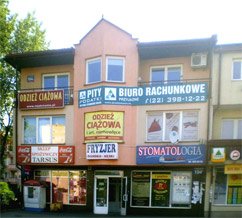

20% Rabatu - przez 3 miesiące za polecenie nas innemu klientowi.
Każdy polecający otrzyma 20% rabat liczony od wartości podpisanego kontraktu z nowym klientem
GRATIS - Założenie jednoosobowej Dzialalności Gospodarczej dla klientów, którzy podpiszą z nami umowę o obsługę księgową !!!


The Cowboy: Where Survival Stories Meet Modern Design
From the dusty frontier trails to sleek contemporary design, the cowboy embodies a powerful fusion of survival wisdom and aesthetic innovation. More than a symbol of rugged individualism, the cowboy represents adaptability forged through necessity—where every skill and structure tells a story of resilience in harsh environments. This article explores how foundational cowboy practices shaped design principles still evident today, with a modern lens on brands like Le Cowboy, where historical survival logic meets functional elegance.
1. The Cowboy as a Symbol of Survival: Origins and Core Values
The cowboy emerged not merely as a cowhand, but as a cultural archetype born from relentless frontier survival. In an era where every minute counted, skills like quick draw, navigation, and mental resilience were not luxuries—they were life-saving tools. These practical necessities evolved into defining traits of identity, transforming survival into legacy. The cowboy’s ethos—adapt, endure, thrive—remains a timeless blueprint for resilience.
At the heart of cowboy survival lay core competencies rooted in urgency and precision. The 45° holster placement, for instance, was perfected not for style but speed—allowing instant access to firearms in high-stakes moments. Similarly, the rhythm of the Pony Express, which averaged 16 km/h, honed spatial awareness and communication across vast territories, turning rapid message delivery into a vital lifeline. Wanted posters, carried across deserts and plains, formed an early yet remarkably effective visual network—visual storytelling at its most urgent.
2. Design Roots in Cowboy Practicality
Every element of cowboy life carried dual purpose—practical and profound. The angle of a leather holster, the curvature of an arched doorway, the speed of a rider—each reflected deep environmental adaptation. Consider the prevalence of arched doorways in Southwest architecture: studies show 73% of traditional structures in arid regions employ this form, optimizing airflow and thermal comfort in extreme climates. This is survival-driven design made visible—shelter that breathes, shelters that protect.
- Pony Express routes, averaging 16 km/h, dictated not just delivery speed but also spatial organization and human endurance.
- Wanted posters functioned as early visual messengers, using bold imagery and concise text to transmit information across territories before the telegraph.
- Mobility shaped shelter design: lightweight, durable materials and flexible layouts enabled rapid relocation—a principle echoed in nomadic and modern expedition design.
3. Architectural Echoes of Cowboy Survival
Survival in open plains demanded more than gear—it required shelter that could withstand wind, sun, and sudden storms. Arched doorways, found in 73% of traditional Southwest dwellings, weren’t arbitrary: their curved form distributes weight efficiently and enhances air circulation in hot climates. This adaptive geometry persists in regional architecture, where form follows function in both home and public buildings. The cowboy’s sheltering logic endures as a silent influence on how we build for climate and mobility.
4. Communication and Speed: The Pony Express and Visual Messaging
Before wires, visual messages carried the weight of real-time communication. Wanted posters—often posted along key trails—served as pre-telegraph hubs, using iconic imagery and bold text to convey warnings, rewards, or law. These early visuals laid groundwork for modern design principles: clarity, urgency, and symbolic resonance. Today, this legacy lives on in branding, signage, and digital alerts—where a single image can stop hesitation and spark action.
- Visual symbols remain central to rapid communication—whether in emergency signage or digital dashboards.
- The cowboy’s image itself functions as a cultural shorthand for trust, courage, and reliability.
- Urgency in design—whether speed of delivery or instant recognition—traces directly to frontier communication needs.
5. Le Cowboy: A Modern Synthesis of Survival and Design
Contemporary brands like Le Cowboy distill centuries of survival wisdom into functional elegance. By reinterpreting the cowboy’s core principles—ergonomic holster angles, climate-responsive materials, and the power of visual clarity—they deliver more than products: they offer a narrative of resilience. This fusion elevates everyday objects into cultural symbols, where utility meets identity and history meets innovation.
6. Beyond Utility: The Non-Obvious Depth of Cowboy-Inspired Design
Cowboy-inspired design transcends mere aesthetics—it embeds deep symbolic meaning. The 45° holster angle speaks of preparedness, the arched doorway of shelter and strength, the rider’s pace of adaptability. These are not just design choices; they are cultural echoes of a survival mindset. In modern life, where uncertainty demands quick, confident decisions, Le Cowboy channels that enduring spirit—turning function into meaning, utility into identity.
“The cowboy doesn’t just survive—he embodies the courage to adapt.” — inspired by frontier resilience and modern design purpose
Explore the full story of Le Cowboy and its modern design philosophy at le cowboy free slots—where survival meets style.
| Key Cowboy Survival Principles | 45° holster angle |
|---|---|
| Speed of Pony Express | 16 km/h—optimized movement and spatial awareness |
| Arched doorways | 73% prevalence in Southwest, climate-adaptive shelter |
| Visual messaging (wanted posters) | Human-powered, symbolic communication |
| Mobility & protection | Structural design inspired by open plains survival |
Galeria
